Every welding professional understands that in a workshop, your gear is your first line of defense. It needs to provide robust protection against intense heat, flying sparks, and sharp metal fragments. This is where a high-quality leather welding apron becomes indispensable. Whether you’re a seasoned industrial welder, a blacksmith, or a passionate hobbyist, choosing the right protection can mean the difference between a productive day and a serious injury.
The Craftsmanship Behind Heat Resistance
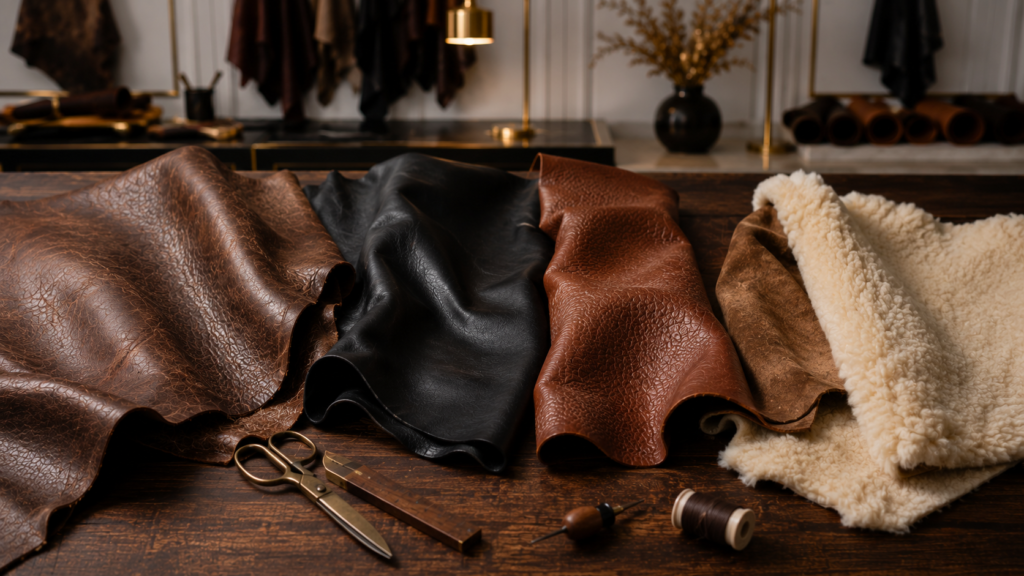
Unlike everyday workshop wear, a leather welding apron is meticulously crafted from premium materials designed to withstand extreme temperatures. Most professional-grade aprons use full-grain leather, typically sourced from buffalo or cowhide. This material is chosen because it combines natural durability with the flexibility needed for intricate movements.
In heavy-duty environments, some aprons also feature layers of chrome leather. This specialized tanning process enhances the material’s ability to resist fire and mechanical wear. When you wear a leather welding apron, you aren’t just wearing a cover; you are wearing an engineered piece of safety equipment designed for longevity.
Why Leather is the Gold Standard for Welders
If you look at the history of metalworking, leather has remained the preferred choice for centuries. But why does a leather welding apron outperform synthetic alternatives?
- Superior Heat Resistance: Leather does not melt. Unlike nylon or polyester, which can fuse to the skin when exposed to high temperatures, leather chars slowly, giving the wearer ample time to react to stray sparks.
- Impact Protection: Beyond heat, a leather welding apron protects against “spatter”—molten metal droplets that can burn through regular clothing in seconds.
- Ergonomics and Comfort: Initially, leather might feel stiff, but over time, it molds to the user’s body shape. This personalized fit reduces fatigue during long shifts.
- Professional Aesthetic: A sleek black or traditional brown leather welding apron projects an image of expertise and seriousness in the craft.
According to safety standards set by organizations like OSHA (Occupational Safety and Health Administration), proper personal protective equipment (PPE) is mandatory for hot work, and leather remains a top recommended material.
Detailed Features of a Professional Leather Welding Apron
When shopping for the best protection, it is important to look beyond the surface. A truly “heavy-duty” leather welding apron should include:
Reinforced Stitching with Kevlar
Standard thread will simply burn away under welding conditions. A premium leather welding apron uses Kevlar stitching, which is heat-resistant and incredibly strong, ensuring the seams don’t burst when exposed to sparks.
Adjustable Straps and Weight Distribution
Long hours in the shop can lead to neck strain. Many modern designs now feature “Cross-Back” straps. Instead of hanging the weight of the leather welding apron on your neck, these straps distribute the load across your shoulders, making it feel much lighter.
Integrated Tool Pockets
Efficiency is key in any fabrication job. A leather welding apron with reinforced pockets allows you to keep your soapstone, pliers, and chipping hammer within arm’s reach. This prevents constant trips back to the tool bench, saving time and increasing productivity.
Maintenance: Making Your Gear Last a Decade
A leather welding apron is an investment. If you treat it well, it can easily last 5 to 10 years. However, leather is a natural material that requires specific care.
- Cleaning: Never soak your apron in water. This will cause the leather to become brittle and crack. Instead, use a damp cloth to wipe away dust and metallic grit. For deeper cleans, refer to our guide on how to maintain leather shop gear.
- Conditioning: Every few months, apply a specialized leather conditioner. This keeps the fibers hydrated and prevents the apron from drying out due to constant heat exposure.
- Storage: Always hang your leather welding apron in a cool, dry place. Avoid leaving it in direct sunlight or damp corners, as UV rays can weaken the fibers and moisture can lead to mold.
Selecting the Right Apron for Your Specific Task
Not all welding tasks are the same, and your leather welding apron should reflect your specific needs:
- TIG Welding: Since this produces less spatter, a lighter, more flexible leather welding apron is usually sufficient.
- MIG and Stick Welding: These processes are “messier.” You will need a heavy-duty, thick leather welding apron to handle the high volume of sparks.
- Blacksmithing: For those working at the anvil, a custom-fit blacksmith apron with extra length is ideal to protect the lower legs from hot scale.
Conclusion: Don’t Compromise on Safety
In the world of metalworking, “good enough” is never enough when it comes to safety. Investing in a high-quality leather welding apron means choosing peace of mind. It allows you to focus entirely on your weld bead and craftsmanship, rather than worrying about the next spark that might fly your way.
Explore our latest collection of Premium Leather Welding Aprons today and equip yourself with the best shield in the industry.