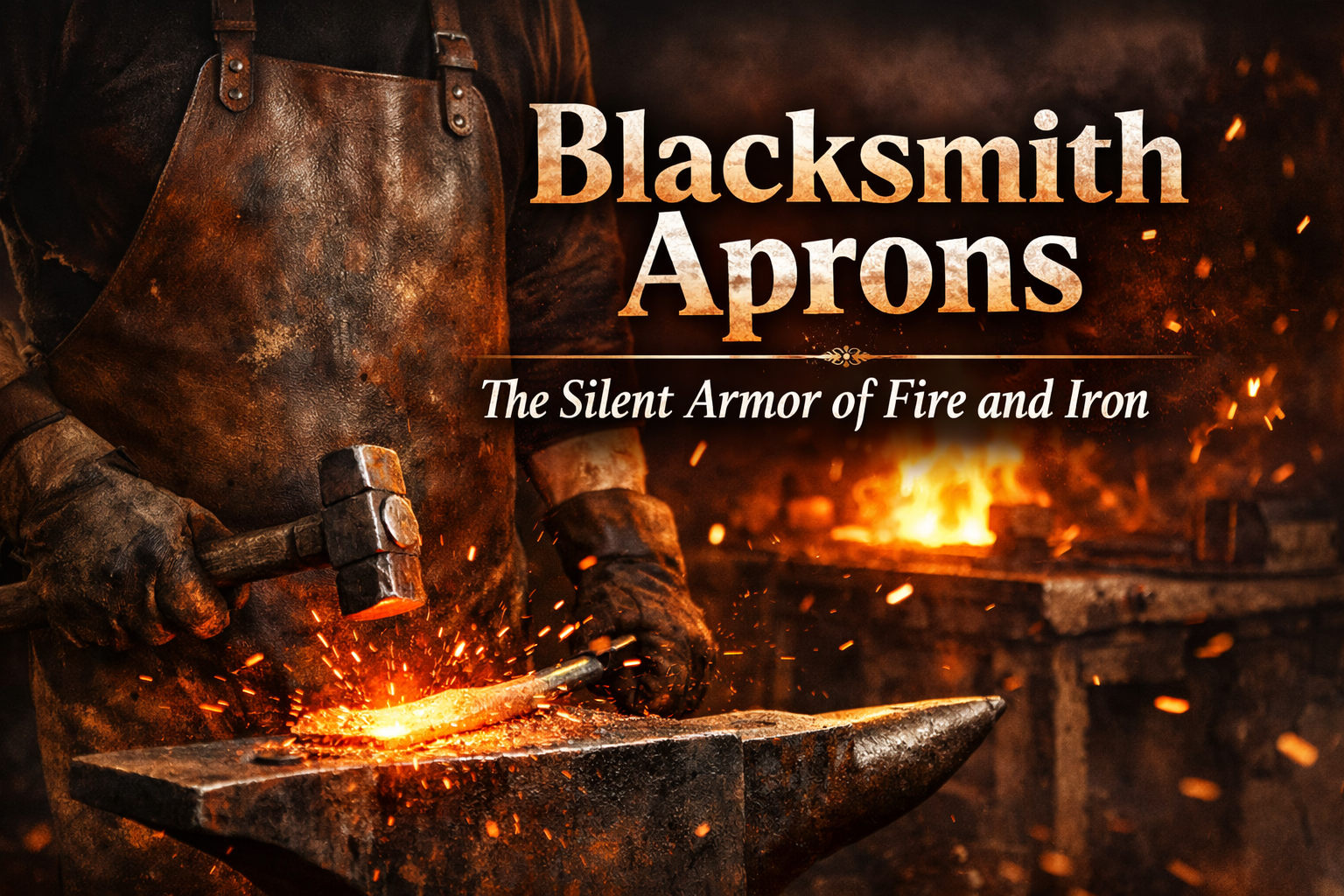
Before the hammer strikes the anvil, before sparks fly and iron glows red, there is a quiet moment in every forge. The fire breathes, the tools wait, and the blacksmith reaches for one essential piece of protection — blacksmith aprons.
They are not decorative. They are not optional. Blacksmith aprons are the silent armor that stands between raw heat and human skill.
A Day That Begins With Fire
Imagine stepping into a forge early in the morning. The air is cool, but it won’t stay that way for long. As the fire is lit and metal is placed inside, temperatures rise quickly. This is where blacksmith aprons earn their respect.
A blacksmith does not dress for comfort alone. Every movement involves heat, sparks, sharp edges, and heavy tools. Leather aprons wrap the body in protection, allowing the craftsman to focus entirely on shaping metal rather than avoiding danger.
The Origins of Blacksmith Aprons
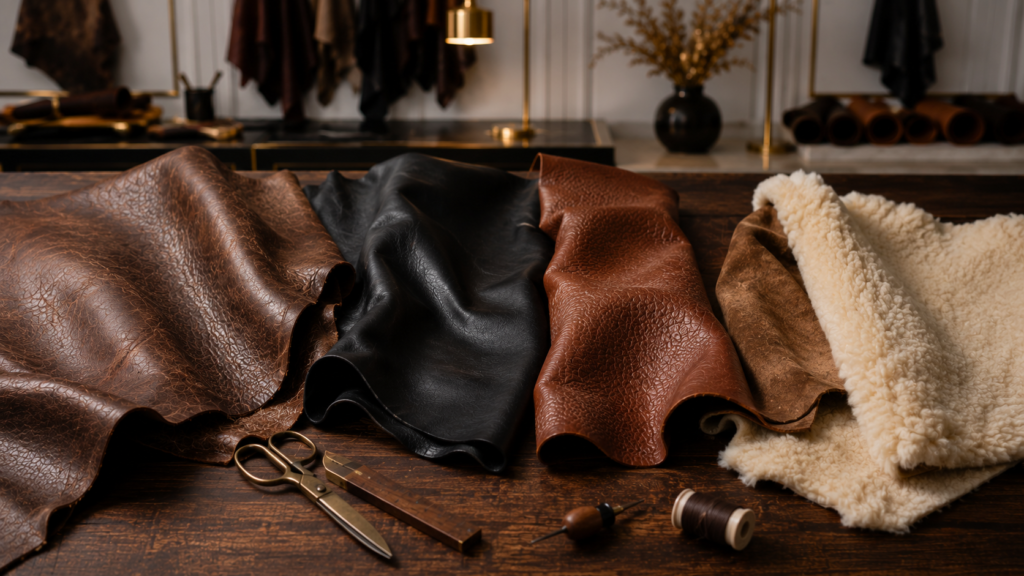
Long before modern safety gear existed, blacksmiths relied on leather to survive their craft. Thick hides were cut, stitched, and shaped into early blacksmith aprons. These aprons absorbed sparks, blocked heat, and protected against molten metal splashes.
Over centuries, leather aprons evolved but never lost their core purpose. Even today, traditional forges and modern workshops both rely on blacksmith aprons because no synthetic material matches leather’s natural resistance to heat and abrasion.
Why Blacksmith Aprons Are Still Essential Today
Technology has changed tools, but fire has not changed its nature. Sparks still fly the same way they did hundreds of years ago. That is why blacksmith aprons remain essential.
Unlike fabric aprons, blacksmith aprons do not melt, burn easily, or tear under pressure. They form a strong barrier between the body and danger. When hot metal slips or a spark jumps unexpectedly, blacksmith aprons take the hit instead of skin or clothing.
This reliability is why professionals refuse to work without them.
The Weight That Feels Like Protection
The first time someone wears proper aprons, they notice the weight. It is not uncomfortable — it is reassuring. That weight represents safety, durability, and trust.
As hours pass, blacksmith aprons begin to move with the body. The leather softens, molds, and adapts. Over time, blacksmith aprons feel less like equipment and more like part of the craftsman’s body.
Scratches, burns, and darkened edges become marks of experience rather than damage.
Design That Serves the Craft
Good leather aprons are designed for movement. They cover vital areas without restricting bending, lifting, or hammering. Adjustable straps, reinforced stitching, and extended length all play a role.
Many modern blacksmith aprons include tool pockets, loops, and reinforced panels. These features reduce unnecessary movement and keep tools within reach, allowing the blacksmith to maintain rhythm and focus.
Form follows function, but there is beauty in that function.
Blacksmith Aprons and Identity
For many craftsmen, blacksmith aprons become personal. They are worn daily, broken in slowly, and rarely replaced. Over time, each apron tells a story unique to its owner.
No two blacksmith aprons age the same way. The pattern of burns, creases, and stains reflects the type of work done — knives, tools, hardware, or art pieces. In this way, blacksmith aprons become records of a craftsman’s journey.
Comfort Is Not a Luxury — It’s a Necessity
Working near extreme heat for long hours demands comfort as much as protection. Well-made aprons distribute weight evenly across shoulders and back, preventing strain.
Cross-back designs reduce neck pressure, while adjustable straps allow customization for different body types. When comfort is handled correctly, leather aprons disappear from conscious thought, letting the blacksmith work without distraction.
Caring for Blacksmith Aprons
Blacksmith aprons do not need constant cleaning. In fact, over-cleaning can harm leather. Most craftsmen simply wipe them down and condition them occasionally.
Proper care ensures that aprons remain flexible and strong for years. Unlike fabric aprons that weaken over time, leather blacksmith aprons improve with age.
They do not retire easily — they endure.
Why Blacksmith Aprons Are an Investment
Buying leather aprons is not about short-term use. It is about safety, longevity, and respect for the craft. A single high-quality apron can last through years of forging, learning, and mastering techniques.
Many blacksmiths pass their aprons down or keep them long after active use ends. That alone says everything about their value.
The Quiet Confidence of Blacksmith Aprons
In a forge filled with noise — hammer strikes, roaring flames, grinding steel — leather aprons work silently. They do not demand attention, yet they are always there.
They allow mistakes without disaster, experimentation without fear, and focus without hesitation.
That is why blacksmith aprons are more than protective gear. They are partners in the craft.
Final Reflection
Fire tests everything it touches. Tools fail. Metal cracks. Focus slips. But blacksmith aprons remain steady, absorbing heat and danger so skill can take center stage.
For anyone who works with iron and fire, blacksmith aprons are not an accessory — they are a requirement, a tradition, and a symbol of craftsmanship that refuses to fade.