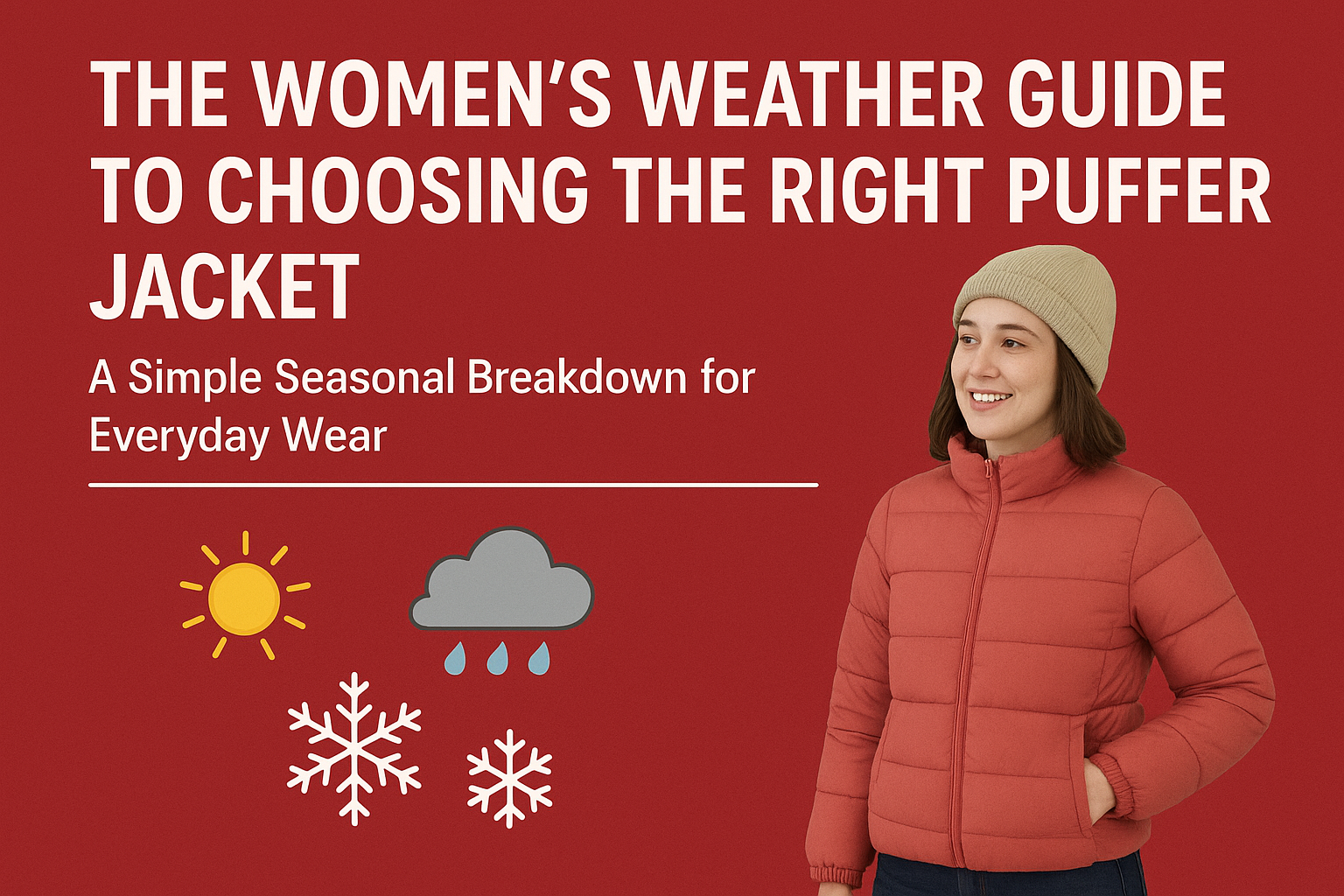
When the seasons shift and the first frost settles on the windows, there is one essential item every woman reaches for: the puffer jacket. No longer just a utilitarian piece of gear for mountain climbers, the modern version has evolved into a high-fashion staple that balances aesthetic appeal with technical performance.
This comprehensive guide will help you navigate the world of outerwear, ensuring you choose the right insulation, length, and style based on your local climate and daily lifestyle.
Chapter 1: Early Fall – Lightweight and Breathable
The transition from summer to autumn can be tricky. You need protection from the crisp morning air, but a heavy coat would be overwhelming. This is where the lightweight puffer jacket shines. Often referred to as “packable” puffers, these garments use thin synthetic insulation to provide just enough warmth without the bulk.
- Key Features: Soft-shell fabric, horizontal quilting, and high portability.
- Best For: Morning commutes, hiking, or layering under a trench coat.
Explore our Autumn Outerwear Collection for more layering inspiration.
Chapter 2: Mid-Fall – Defying the Wind
As October progresses, the breeze turns sharper. During this time, a puffer jacket with a wind-resistant outer shell becomes necessary. Many women opt for darker tones like charcoal, navy, or classic black during this season because they absorb heat and hide the inevitable splashes of autumn rain.
Mid-weight insulation provides a buffer against the wind, while ribbed cuffs help seal in body heat. If you live in a coastal area, look for a version with a DWR (Durable Water Repellent) finish to stay dry during light showers.
Chapter 3: Early Winter – Stepping Up the Insulation
When the temperature consistently stays below 10°C (50°F), it is time to upgrade your gear. A mid-to-full length puffer jacket offers better coverage for the hips and thighs, which is crucial for heat retention.
During the start of winter, “loft” becomes important. The loft is the space created by the filling that traps air to keep you warm. Whether you prefer natural down or eco-friendly synthetic alternatives, ensuring your jacket has a high-fill power will keep the chill at bay.
Read more about the Science of Thermal Insulation to understand how heat is trapped.
Chapter 4: Deep Winter – Maximum Protection
For those living in sub-zero climates, a standard puffer jacket might not suffice; you need a “puffer coat.” These are typically longer, reaching the knees or even the ankles. When shopping for extreme cold, look for features like fleece-lined pockets, faux-fur trimmed hoods, and two-way zippers that allow for mobility despite the coat’s length.
In mid-to-late winter, the goal is total body coverage. Heavy-duty quilting ensures the insulation doesn’t shift, preventing “cold spots” from forming.
Chapter 5: Sunny Winter Days – The Versatility of Vests
Not every winter day requires full sleeves. On sunny but cold afternoons, a puffer vest (or gilet) is the perfect compromise. A sleeveless puffer jacket keeps your core warm while allowing your arms to move freely. This is a favorite for women who enjoy outdoor activities like gardening or walking the dog, as it prevents overheating while maintaining a cozy core temperature.
Chapter 6: Essential Checklist Before You Buy
Before investing in a new puffer jacket, consider these four critical factors to ensure you get the best value for your money:
- Fill Power: This measures the quality of the down. A higher number means more warmth for less weight.
- The Silhouette: If you are worried about looking “puffy,” look for a puffer jacket with a cinched waist or an adjustable belt to define your figure.
- Pocket Placement: Ensure the pockets are lined with warm material like fleece or flannel for your hands.
- Sustainability: Many modern brands now use recycled plastic bottles to create the polyester filling for their puffer jacket lines, making them an eco-friendly choice.
Chapter 7: Styling Your Outerwear
A puffer jacket is incredibly versatile. Here are a few ways to style it for different occasions:
- The Urban Look: Pair a cropped black puffer with high-waisted mom jeans and chunky leather boots.
- Athleisure: Wear a colorful vest over a matching tracksuit for a cohesive, sporty vibe.
- Evening Elegance: Layer a long-line, neutral-toned puffer coat over a turtleneck sweater dress and knee-high boots.
Check out our guide on Winter Accessories to find the perfect beanie for your jacket.
Frequently Asked Questions
1. Is a puffer jacket waterproof?
Most are water-resistant, meaning they can handle light snow or drizzle. However, for heavy rain, you should look for a “waterproof” rating with taped seams.
2. How do I wash my jacket without ruining the fluff?
Always use a gentle cycle with cold water. The secret is in the drying: tumble dry on low heat with clean tennis balls to “beat” the clumps out of the insulation and restore the loft.
3. Will a puffer jacket make me look bulky?
Not necessarily. Modern designs use “contoured quilting”—diagonal or vertical lines—that creates a slimming effect compared to traditional horizontal blocks.
4. What is the difference between Down and Synthetic?
Down is lighter and more compressible, but it loses warmth if it gets wet. Synthetic insulation is slightly heavier but continues to keep you warm even in damp conditions.
Conclusion
Finding the right puffer jacket is all about balancing the technical needs of your environment with your personal style. Whether you need a lightweight layer for a brisk autumn walk or a heavy-duty coat for a blizzard, the right choice will keep you comfortable and confident all season long.