In the high-stakes environment of a professional meat shop or processing plant, your attire is much more than a uniform. It is your first line of defense. A butcher’s day is defined by sharp blades, heavy lifting, constant moisture, and long shifts on their feet. To handle these demands, a professional butcher apron is an essential piece of equipment designed to bridge the gap between safety and efficiency.
At Jacket Field, we understand that butchery is a craft of precision. That is why our collection is built for real-world environments where coverage and practicality are non-negotiable.
1. Why Every Professional Needs a Specialized Butcher Apron
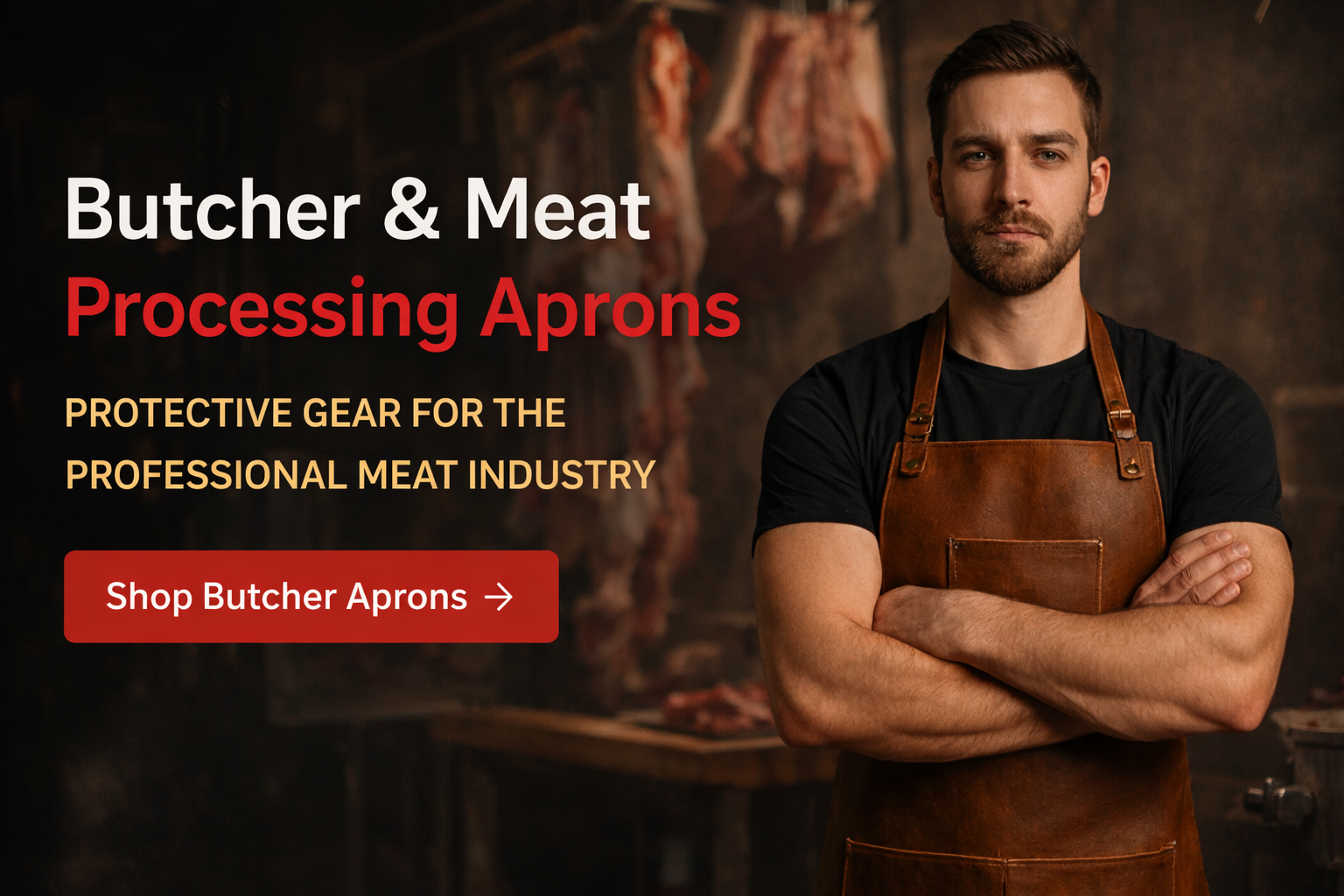
Butchery is fundamentally different from home cooking or casual cafe work. When you are dealing with bone saws, cleavers, and industrial grinders, a standard cotton kitchen apron simply won’t cut it. A high-quality butcher & meat processing apron acts as a protective shield for the torso and upper legs.
Key Safety Benefits:
Safety Barrier: Provides a layer of resistance against accidental nicks from knives or sharp bone fragments.
Moisture Control: Meat processing involves blood, water, and fats. Specialist materials prevent these fluids from soaking into your clothes.
Ergonomic Support: Modern designs distribute weight across the shoulders rather than the neck.
2. Choosing the Best Material for Your Butcher Apron
Choosing the right material for your butcher apron depends on your specific daily tasks. Different environments require different levels of durability and weight.
The Leather Butcher Apron: The Gold Standard
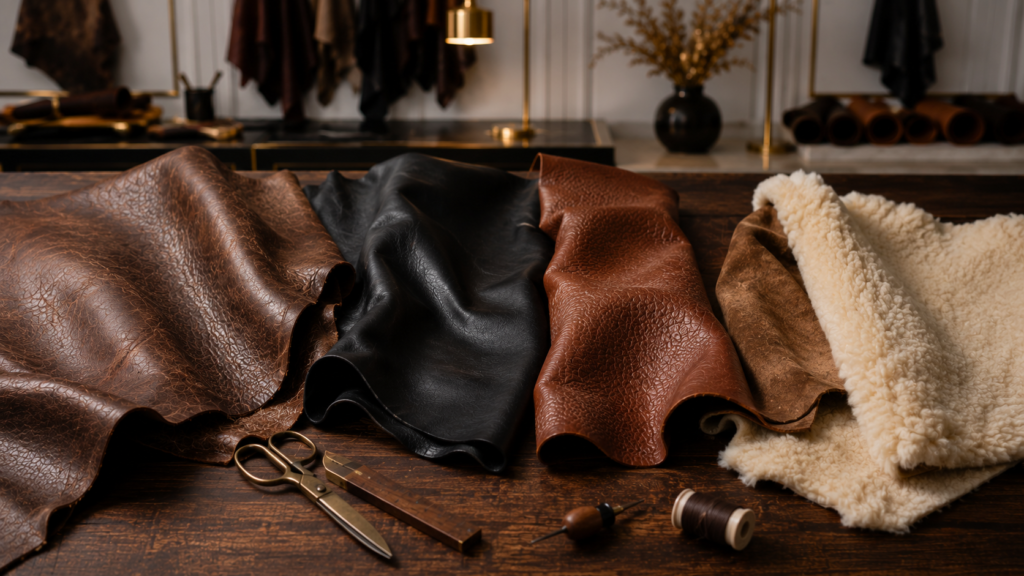
Leather is the traditional choice for a reason. It is naturally heat-resistant, incredibly difficult to puncture, and develops a patina over time that reflects the hard work of the wearer. For those working in slaughterhouses or high-volume retail shops, a leather apron provides the maximum level of physical protection.
Hybrid Canvas and Leather Butcher Apron Designs
For workers who prioritize mobility and breathability, the canvas-leather hybrid is a popular choice. The body is made from heavy-duty waxed canvas, while high-impact zones (like the chest and pockets) are reinforced with premium leather. This ensures the gear remains lightweight without sacrificing longevity.
3. Critical Design Features in a Modern Butcher Apron
Traditional neck loops can cause chronic neck pain. A professional butcher apron should feature cross-back straps that distribute the weight of the apron (and the tools in its pockets) across the shoulders.
Reinforced Stitching and Rivets
The points where straps meet the apron body are under constant tension. We use industrial-grade stitching and brass rivets to ensure that yourbutcher apron doesn’t tear when you lean against a cutting table.
4. Who Should Wear a Heavy-Duty Butcher Apron?
While the name suggests a single profession, the utility of a rugged butcher apron extends across several demanding industries where sharp tools and organic materials are handled.
Retail Butchers: Keeping a clean, professional appearance for customers.
BBQ Pitmasters: Protecting against high heat and grease splatters.
Taxidermists and Hunters: need a barrier against fluids during field dressing.
5. Performance Comparison: Why the Leather Butcher Apron Wins
Feature
Fabric/Cotton Apron
Leather Butcher Apron
Durability
Low (Tears easily)
Very High (Years of use)
Fluid Resistance
Absorbs liquids
Repels blood and oils
Safety
Minimal protection
High puncture resistance
Cleaning
Machine washable
Wipe-down only
For those looking for extra durability, exploring our Leather Work Aprons section will show you how heavy-grade hides outperform synthetics every time.
6. Maintenance Tips: How to Care for Your Butcher Apron
A premium butcher apron is an investment. If you take care of it, it will take care of you. Proper maintenance ensures the leather stays supple and the protective layers remain intact.
Daily Cleaning: After every shift, wipe down the surface with a damp cloth and a mild, food-safe detergent.
Avoid Submersion: Never throw a leather butcher apron into a washing machine. This will strip the natural oils.
Conditioning: Every few months, apply a high-quality leather conditioner.
Proper Storage: Always hang your butcher apron up in a well-ventilated area to prevent moisture buildup.
7. Why Professionals Choose the Jacket Field for Their Butcher Apron
At Jacket Field, we don’t follow fast-fashion trends. Our design process involves consulting with meat industry professionals to ensure every pocket is placed correctly and every strap is comfortable.
When you buy a butcher apron from us, you are getting:
Sustainably Sourced Leather: High-grade hides treated for longevity.
Functional Style: Gear that looks as professional as the work you produce.
Work-Ready Construction: Double-stitched seams and rust-proof hardware.
Final Thoughts on Investing in a Butcher Apron
In the world of meat processing, your gear is an extension of your skill. A high-quality butcher apron is not just about staying clean; it is about working with confidence, knowing you are protected from the hazards of the trade. Whether you are a seasoned veteran in a butcher shop or a BBQ enthusiast, investing in the right protection is the smartest move you can make for your career and your safety.