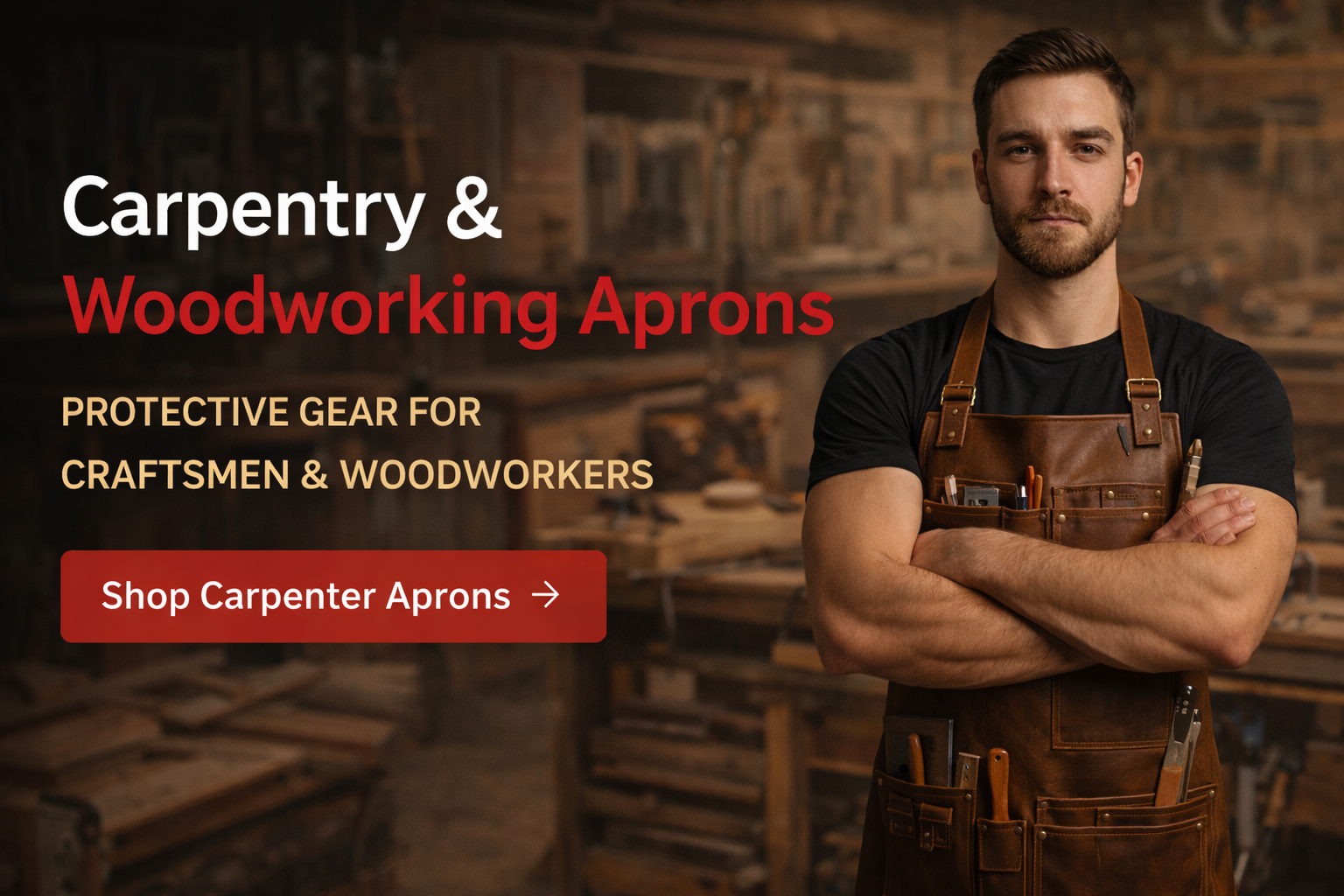
Woodworking is an art form that demands precision, patience, and the right gear. Whether you are a professional carpenter or a weekend DIY enthusiast, your workshop environment is filled with potential hazards—flying wood chips, sharp chisels, and sticky adhesives. To maintain focus on your craft, you need more than just skill; you need a high-quality woodworking apron that acts as your second skin.
At Jacket Field, we understand that a workshop apron isn’t just a piece of cloth. It is a functional tool designed to enhance efficiency and provide essential safety. In this comprehensive guide, we will explore why every artisan needs a dedicated apron and how to select the right one for their needs.
Why Every Craftsman Needs a Dedicated Woodworking Apron
A common mistake beginners make is wearing old clothes or a simple kitchen apron in the shop. However, wood dust (especially from treated timber) can be harmful to the skin and lungs. A professional woodworking apron provides a critical barrier against fine dust and sharp debris.
1. Superior Protection Against Sharp Tools
In a workshop, you are constantly working with saws, gouges, and chisels. A heavy-duty woodworking apron—particularly one made of top-grain leather—prevents accidental nicks and scratches. According to safety standards outlined by organizations like OSHA, wearing proper personal protective equipment (PPE) is the first step in workshop accident prevention.
2. Efficiency Through Tool Organization
Searching for a pencil or a measuring tape can break your creative flow. Most modern leather apron designs include specialized pockets for marking gauges, pencils, measuring tapes, and chisels. Having these items on your chest or waist saves hours of searching over a work week.
Comparing Materials: Leather vs. Canvas Woodworking Apron
Choosing the right material depends on the intensity of your work. While fabric aprons are lightweight, they may not offer the longevity required for professional use.
The Durability of a Leather Woodworking Apron
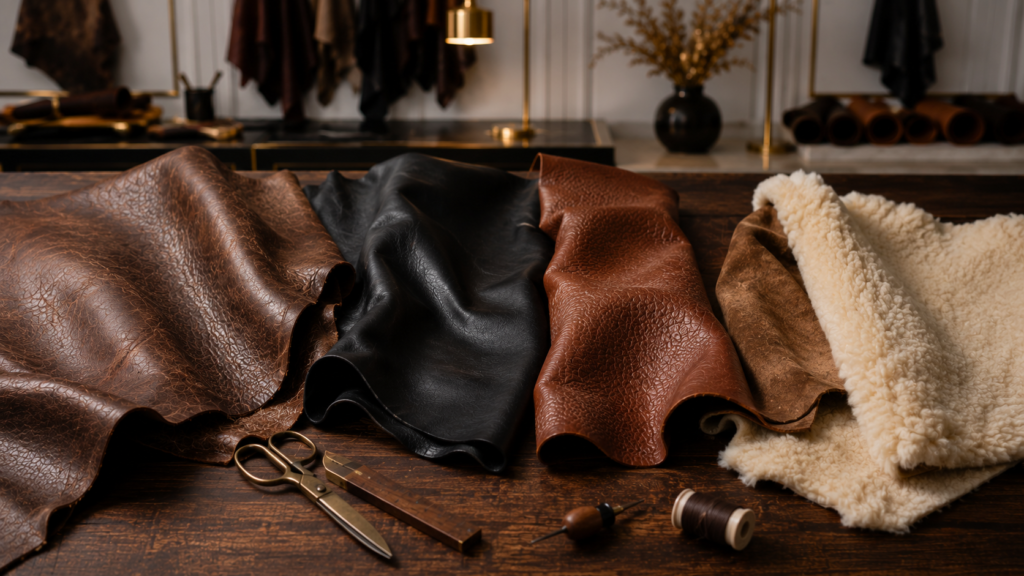
Leather is the gold standard for workshop protection. A leather woodworking apron is heat-resistant, puncture-proof, and develops a beautiful patina over time. It is ideal for heavy sanding, routing, and assembly where friction is high.
The Versatility of Waxed Canvas
For those who prefer agility, a waxed canvas woodworking apron offers a lighter alternative. It is water-resistant and keeps sawdust from sticking to the fabric. At Jacket Field, we often combine these materials to create hybrid designs that offer both protection and breathability.
Pro Tip: If you work in a hot climate, look for a woodworking apron with cross-back straps to distribute weight away from the neck, preventing fatigue during long sessions.
Key Features of a High-Performance Woodworking Apron
Not all aprons are created equal. To ensure you are getting a professional-grade product, look for these specific design elements:
1. Ergonomic Cross-Back Straps
Traditional neck straps can cause strain over time. A modern woodworking apron uses a “Y” or “X” strap configuration. This shifts the weight of your tools to your shoulders, allowing you to work for hours without discomfort.
2. Reinforced Tool Pockets
Since woodworking tools are heavy and often sharp, the pockets of your woodworking apron must be reinforced with rivets or double-stitching. This prevents the “sagging” effect and ensures the garment lasts for decades.
3. Dust-Proof Pocket Flaps
Sawdust has a way of getting everywhere. A premium woodworking apron often features flaps over the pockets to keep wood shavings out of your gear, especially sensitive items like mobile phones.
How to Maintain Your Woodworking Apron for Longevity
Investing in a quality woodworking apron is only half the battle; you must also care for it to ensure it remains a reliable partner in the shop.
- For Leather: Use a damp cloth to wipe away dust and apply a leather conditioner once every six months. This keeps the material supple and prevents cracking.
- For Canvas: Avoid machine washing. Instead, use a soft brush to remove debris and re-wax the surface if it loses its water-repellent properties.
- Storage: Always hang your woodworking apron in a dry area. Folding it repeatedly in the same spot can cause cracks in the leather or heavy creases in the canvas.
For more tips on leather care, check out our Leather Maintenance Guide.
Who Should Wear a Woodworking Apron?
Whether you are building a simple birdhouse or high-end cabinetry, a woodworking apron is essential for various types of artisans:
- Cabinet Makers: Who need constant access to precision measuring tools and squares.
- Wood Turners: Who face a constant barrage of flying wood chips and need a smooth surface where chips can slide off.
- Luthiers require a clean, soft surface to protect delicate musical instruments from scratches during assembly.
- DIY Hobbyists: To keep their home clothes clean and free of stubborn sawdust that is hard to wash out.
Choosing the Right Fit: A Woodworking Apron for Every Size
Fitment is crucial for safety. A woodworking apron that is too long can be a tripping hazard, while one that is too tight can restrict movement. Most Jacket Field designs are fully adjustable, catering to all body types. When trying on an apron, ensure you can bend over and reach for tools without the bib pulling against your chest or the straps digging into your skin.
Why Jacket Field Provides the Best Woodworking Apron
At Jacket Field, we bridge the gap between traditional craftsmanship and modern utility. Real carpenters field-test each woodworking apron in our collection to ensure it meets the demands of a high-volume shop. We focus on:
- Sustainably Sourced Materials: Using only high-quality hides and heavy-duty canvas.
- Smart Storage: Pockets placed exactly where your hands naturally fall.
- Timeless Style: Because looking good in the workshop boosts confidence and professionalism.
Explore our latest Carpenter & Woodworking Collection to find your perfect match.
Final Thoughts on Investing in a Woodworking Apron
A woodworking apron is more than an accessory; it is an investment in your safety and your craft. Shielding you from debris and keeping your tools organized allows you to focus on what truly matters: the wood in front of you.
Don’t let poor gear hold back your creativity. Upgrade to a professional woodworking apron today and experience the difference in comfort and efficiency. Gear holds back your creativity. Upgrade to a professional woodworking apron today and experience the difference in comfort and efficiency.